Why Are My Teeth Sensitive? Causes, Treatments and When to See a Dentist

Have you ever taken a sip of a cold drink or enjoyed an ice cream, only to be met with a sharp, sudden pain in your teeth? Tooth sensitivity is one of the most common reasons people visit the dentist, and while it can be frustrating, it’s often treatable once the underlying cause is identified.
What is tooth sensitivity?
Tooth sensitivity (also known as dentine hypersensitivity) is a short, sharp pain that occurs when the inner layer of your tooth, called the dentine, becomes exposed.
Dentine contains thousands of tiny channels that connect directly to the nerve inside the tooth. When these channels are exposed, hot, cold, sweet or acidic foods and drinks can trigger pain.
Common symptoms of sensitive teeth
You may notice discomfort when:
- Drinking hot tea or coffee
- Eating ice cream or cold drinks
- Eating sweets or sugary foods
- Brushing your teeth
- Breathing in cold air
- Eating acidic foods such as citrus fruits
The pain is usually brief but can sometimes become more persistent.
What causes tooth sensitivity?
There are many possible causes of sensitive teeth, including:
1. Worn enamel
Enamel is the hard outer layer that protects your teeth. Over time it can wear away through:
- Brushing too hard
- Using a hard toothbrush
- Acidic foods and drinks
- Teeth grinding (bruxism)
- Ageing
Once enamel becomes thinner, the dentine underneath is exposed.
2. Receding gums
Usually, our gums cover and protect the roots of your teeth. In cases where your gums have receded, the root surface becomes exposed.
Unlike the crown of the tooth, the root has no enamel protection, making it much more sensitive.
Gum recession can be caused by:
- Gum disease
- Aggressive brushing
- Smoking or vaping
- Ageing
- Teeth grinding
- Previous orthodontic treatment
3. Gum disease
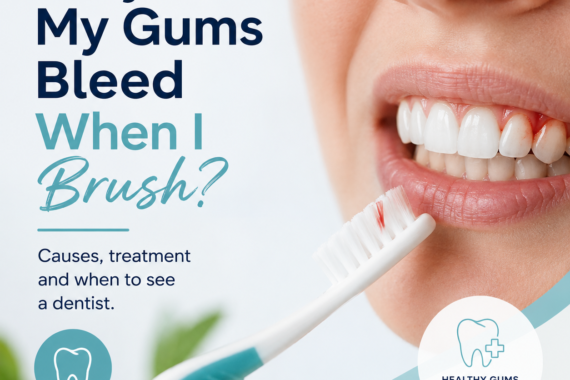
Bleeding gums, plaque and tartar build-up can lead to gum disease. As the gums pull away from the teeth, the roots become exposed, often causing increased sensitivity.
Regular hygiene appointments and excellent home care can make a significant difference.
4. Tooth decay
A cavity allows bacteria to penetrate the tooth, often causing sensitivity to cold, sweet foods and sometimes hot drinks.
If left untreated, decay can progress to the nerve and may eventually require root canal treatment or extraction.
5. Cracked or fractured teeth
Small cracks may not always be visible but can allow temperature changes to reach the nerve inside the tooth.
You may notice discomfort when:
- Biting down
- Releasing pressure after biting
- Drinking cold drinks
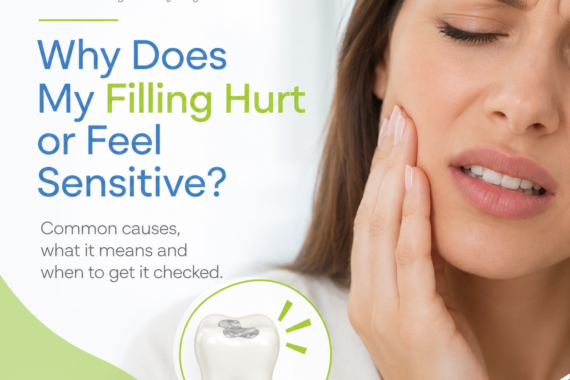
6. Worn fillings or leaking restorations
Old fillings can wear down over time or develop small gaps around the edges, allowing bacteria and temperature changes to reach the sensitive parts of the tooth.
Often, replacing the filling can solve the problem.
7. Teeth grinding
Many people grind or clench their teeth during sleep without realising.
Grinding can:
- Wear away enamel
- Cause tiny cracks
- Lead to sensitivity
- Cause jaw pain and headaches
A custom-made night guard may help protect your teeth.
8. Recent dental treatment
It’s perfectly normal for teeth to feel sensitive for a few days or even weeks after treatments such as:
- Fillings
- Teeth whitening
- Crown preparations
- Deep cleaning
This usually settles on its own, but if it worsens or lasts longer than expected, you should contact your dentist.
Can tooth sensitivity be a sign of something serious?
Not always, as commonly people can suffer from ‘general sensitivity’, but sometimes, yes.
Sensitivity can occasionally indicate:
- A deep cavity
- A cracked tooth
- A dental abscess
- Advanced gum disease
- A dying nerve inside the tooth
If the pain lasts for more than a few seconds, wakes you at night, becomes severe, or is accompanied by swelling, you should arrange a dental appointment as soon as possible.
How can I reduce tooth sensitivity at home?
There are several things you can do to help:
-
- Brush gently along the gum margins – no aggressive scrubbing
- Use a toothpaste designed for sensitive teeth.
- Avoid brushing immediately after acidic foods or drinks (try and leave 30 mins).
- Limit acidic and sugary snacks.
- Floss or clean between your teeth daily.
- Wear a night guard if you grind your teeth.
- Attend regular dental check-ups
Remember that these measures may help with the symptoms and with general sensitivity, but they won’t treat an underlying dental problem.
How do dentists treat sensitive teeth?
Treatment depends on the cause.
Your dentist may recommend:
- Fluoride varnish to strengthen tooth surfaces.
- Composite coverings over exposed root surfaces that are causing sensitivity.
- Prescription-strength fluoride toothpaste.
- Replacing leaking or worn fillings.
- Treating tooth decay.
- Professional cleaning to improve gum health.
- A custom-made night guard for grinding.
- Gum disease treatment.
- Root canal treatment if the nerve has become damaged.
A thorough examination, and sometimes dental X-rays, will help identify the exact cause.
Can sensitive teeth be prevented?
You can reduce your risk by:
-
- Brushing twice daily with fluoride toothpaste.
- Cleaning between your teeth every day.
- Brushing gently along the gum lines.
- Avoiding excessive acidic foods and fizzy drinks.
- Wearing a mouthguard if you grind your teeth.
- Visiting your dentist regularly for examinations and hygiene appointments.
Book an appointment at Manor Dental, Hull
If you’re experiencing sensitive teeth, don’t wait until the problem gets worse.
Whether the cause is tooth wear, gum disease, tooth decay or something more complex, we’re here to help.
Contact Manor Dental in Hull today to arrange a dental examination.