Why Does My Filling Hurt or Feel Sensitive?
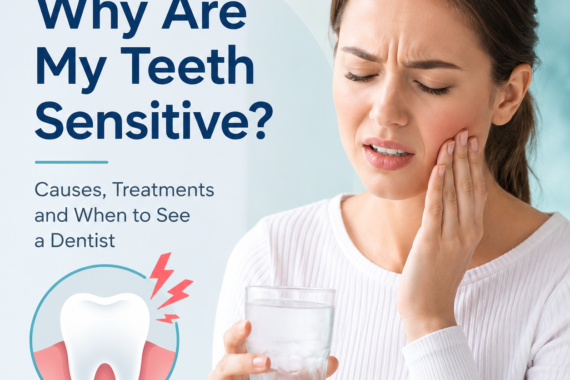
You’ve had a filling to repair a tooth, but afterwards you notice it feels sensitive, uncomfortable or even painful. Does this mean something has gone wrong?
Not necessarily. Some sensitivity following a dental filling can be completely normal, particularly during the first few days after treatment. However, persistent, worsening or severe pain can sometimes indicate that the tooth needs to be reassessed.
At Manor Dental in Hull, we sometimes get asked about sensitivity after fillings. In this guide, we explain some of the common reasons it can happen and when you should contact your dentist.
Is Sensitivity After a Filling Normal?
Yes. It isn’t unusual for a recently filled tooth to feel slightly different or sensitive for a short period after treatment.
During a filling, decay is removed and the tooth is prepared before the filling material is placed. This treatment can temporarily irritate the tooth and the tissues around it.
You may notice sensitivity to:
- Cold drinks or foods
- Hot drinks or foods
- Sweet foods
- Biting or chewing
- Pressure on the tooth
For many people, mild sensitivity gradually improves as the tooth settles.
1. The Tooth May Simply Be Settling After Treatment
Having a filling involves working on the tooth, and the nerve inside can sometimes become temporarily irritated as a result.
This can be more noticeable when a cavity was relatively deep or close to the pulp – the centre of the tooth containing the nerves and blood vessels.
You might experience a brief sharp sensation when something cold touches the tooth. If the discomfort is mild, lasts only briefly and is gradually improving, the tooth may simply need some time to settle.
2. The Filling Could Feel Too High
Does your newly filled tooth feel as though it touches before your other teeth when you bite together?
Occasionally, a filling can be slightly high in the bite. This can place additional pressure on the tooth when you’re eating or bringing your teeth together.
You may notice:
- Pain when biting or chewing
- The tooth feels “high” or different
- Tenderness after eating
- The filled tooth seems to make contact first
This doesn’t necessarily mean the filling needs replacing. Your dentist may simply need to check your bite and make a small adjustment to the filling.
3. The Filling Was Very Close to the Nerve
The deeper the original cavity, the closer the decay and subsequent filling may be to the nerve inside the tooth.
When decay is very deep, the nerve may already have been irritated before the filling was placed. Removing the decay and restoring the tooth can sometimes cause further temporary inflammation.
Your dentist may therefore advise monitoring the tooth after a deep filling to see how it responds.
Some teeth settle successfully, while others can develop inflammation of the pulp that requires further treatment.
4. The Nerve Inside the Tooth Could Be Inflamed
If pain becomes more intense rather than improving, the pulp inside the tooth may be significantly inflamed.
Symptoms that warrant assessment can include:
- Strong or throbbing toothache
- Pain that occurs without eating or drinking
- Sensitivity to hot or cold that lingers after the stimulus has been removed
- Pain that wakes you at night
- Pain that appears to be getting progressively worse
- Difficulty biting on the tooth
These symptoms don’t automatically tell us exactly what is happening, so the tooth needs to be assessed by a dentist.
Depending on the examination and any necessary X-rays or tests, further treatment such as root canal treatment may sometimes be required.
5. There Could Be a Crack in the Tooth
Sometimes the discomfort isn’t caused by the filling itself.
Teeth with large fillings can have less remaining natural tooth structure and may be more susceptible to cracks or fractures. In other cases, a crack may already have been present before the filling was placed.
A cracked tooth can sometimes cause a sharp pain when biting, particularly when you bite on something hard or release your bite.
Cracks vary considerably, so your dentist will need to assess the tooth and determine the most appropriate treatment.
6. An Older Filling Can Become Sensitive Too
Sensitivity isn’t limited to new fillings.
If a filling that has been comfortable for years suddenly starts hurting, it’s worth having it checked.
Possible causes include new decay around or beneath the restoration, a damaged or worn filling, a crack in the tooth, gum recession exposing a sensitive area of the tooth, or a problem involving the pulp.
Rather than assuming you simply have “sensitive teeth”, arrange an assessment if the symptoms are new or persistent.
How Long Should a Filling Be Sensitive For?
There isn’t one exact timeframe that applies to every tooth.
Minor sensitivity following a filling will often improve gradually. Deeper fillings can sometimes take longer to settle because the treatment has taken place closer to the pulp.
What’s particularly important is how your symptoms are changing.
If the sensitivity is becoming less noticeable, that’s generally different from pain that is becoming stronger, lasting longer or beginning spontaneously.
If you’re concerned about the tooth at any stage, contact your dentist rather than waiting for a particular number of days.
When Should I Contact My Dentist?
Arrange an assessment if you experience severe or worsening pain, prolonged sensitivity, spontaneous toothache, pain when biting, swelling, or a filling that feels noticeably high.
You should also contact your dentist if you’ve had mild sensitivity that isn’t improving as expected.
If you develop significant facial swelling, difficulty swallowing or breathing, or feel systemically very unwell alongside a dental problem, seek urgent medical or dental advice.
What Will My Dentist Do?
Your dentist will first need to work out why the tooth is sensitive.
Depending on your symptoms, they may:
- Ask when the pain occurs and how long it lasts
- Examine the tooth and filling
- Check your bite
- Test how the tooth responds to temperature or other stimuli
- Check for tenderness when biting or tapping the tooth
- Take an X-ray where clinically appropriate
The treatment will then depend on the cause. Sometimes reassurance or a simple bite adjustment is all that’s required. Other teeth may require replacement of the restoration or further treatment.
Does a Sensitive Filling Mean I Need a Root Canal?
No.
Feeling sensitivity after a filling doesn’t automatically mean that you need root canal treatment.
Many teeth experience temporary sensitivity and settle without further treatment. Root canal treatment is generally considered when assessment indicates that the pulp has become irreversibly inflamed or infected and the tooth is suitable for treatment.
This is why it’s important to have persistent or significant symptoms properly assessed rather than trying to diagnose the problem yourself.
Worried About a Painful or Sensitive Filling?
A little sensitivity after a filling can be normal, but pain that persists, worsens or changes shouldn’t be ignored.
Whether you’ve recently had a filling or an older restoration has suddenly started causing problems, a dental examination can help identify what’s happening and whether treatment is required.
At Manor Dental in Hull, we can assess painful or sensitive teeth, investigate the cause and discuss the appropriate treatment options with you.
Experiencing toothache or worried about a filling? Contact Manor Dental in Hull to arrange a dental appointment or emergency assessment, or click here to book online.
This article provides general information and isn’t a substitute for an individual dental examination and diagnosis.